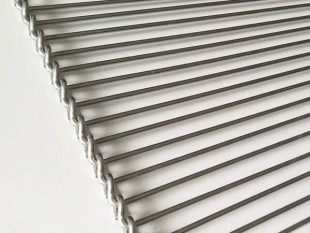
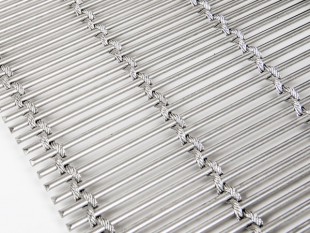
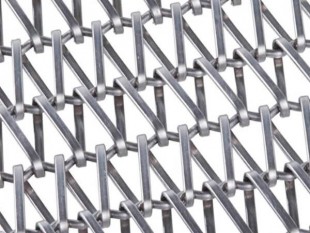
Metal Conveyor Belts and Wire Mesh Belts
Custom Metal Conveyor Belts & Wire Mesh Belts Manufacturer
PFM SCREEN Belting manufactures custom metal conveyor belts, wire mesh conveyor belts and stainless steel conveyor belts for baking, frying, freezing, drying, washing, heat treatment, glass annealing and heavy-duty industrial conveying lines.
|
✓ Factory-direct since 1987
|
✓ 16+ metal belt types
|
✓ Exported to 60+ countries
|
|
✓ SS304 / SS316 / 310S
|
✓ Custom width, length and pitch
|
✓ Belts, sprockets and chains
|
Need help choosing a belt? Send your application, belt size, material and photos. Our engineer will recommend a suitable belt type and reply within one business day.
Get Belt Recommendation Email Specifications WhatsApp Engineer Download Catalogue
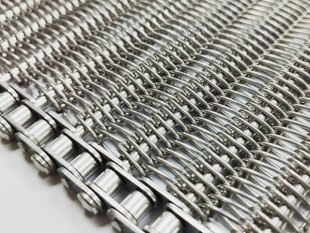
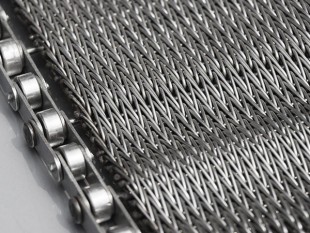
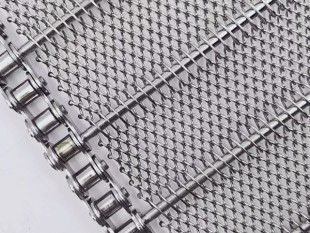
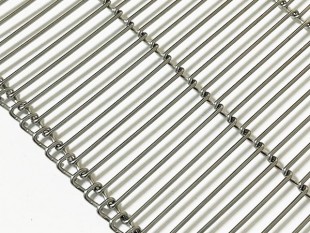
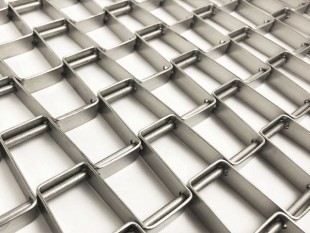
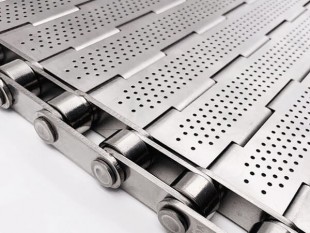
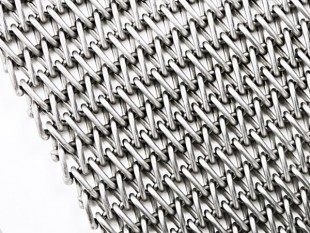
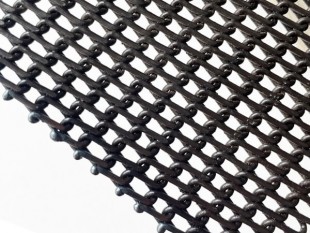
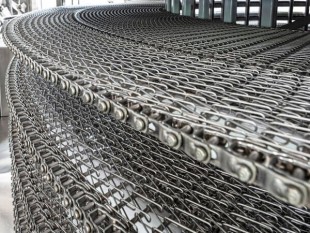
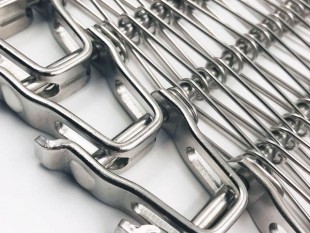
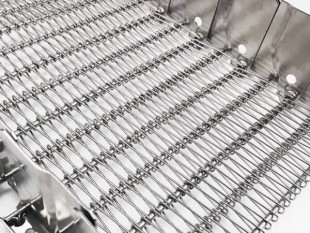
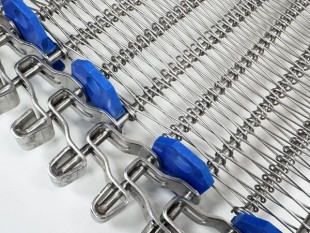
Metal conveyor belts, also called wire mesh conveyor belts, steel mesh belts or metal belting, are woven or assembled from stainless steel, carbon steel or high-temperature alloy wire. Compared with rubber or plastic belts, they withstand heat, cold, washing, drainage and heavy-duty industrial use while keeping an open conveying surface for airflow and liquid passage.
Choose the right belt by application, belt structure, material grade, open area, drive method, temperature and product load. If you are replacing an old belt, photos and measurements are usually enough for our team to identify the specification.
For a faster quotation, please send:
|
1. Application or product being conveyed
|
2. Belt type or photos of old belt
|
|
3. Width, total length and quantity
|
4. Pitch, wire diameter, rod diameter or plate thickness
|
|
5. Material grade and working temperature
|
6. Edge type, chain, sprocket, side guard or flights
|
Find the Right Belt by Application
Not sure which belt type fits your line? Start with your process below, then click the recommended belt page or send us your application details for confirmation.
|
Application / Industry
|
Recommended Belt Types
|
Main Selection Point
|
|
Baking & Biscuit
|
Compound Weave | Biscuit Baking Band | Balanced Spiral | Flat Flex
|
Stable support, heat transfer, smooth release
|
|
Freezing & Cooling
|
Spiral Freezer | Self-Stacking Spiral | Edge Drive Spiral | Eye Link
|
Airflow, hygiene, tracking and low-temperature stability
|
|
Frying & Food Processing
|
Flat Flex / Enrober | Eye Link | Balanced Spiral
|
Drainage, cleaning, oil removal and food contact
|
|
Drying & Washing
|
Honeycomb / Flat Wire | Woven Rod Bar | Eye Link
|
Open area, drainage and product support
|
|
Heat Treatment & Furnace
|
Balanced Spiral 310S | Compound Weave | Chain Link
|
Temperature, load, atmosphere and thermal cycling
|
|
Glass Annealing & Lehr
|
Wire Mesh Lehr Belt | Balanced Spiral
|
Stable tracking, heat resistance and joining quality
|
|
Heavy-Duty & Scrap Handling
|
Plate Link | Chain Link | Ladder | Honeycomb
|
Impact, sharp parts, high load and easy replacement
|
Belt Type Comparison - Quick Selection Guide
Use this quick table to compare popular wire mesh conveyor belt types by structure, open area and best-fit applications.
|
Belt Type
|
Structure
|
Open Area
|
Best For
|
|
Balanced Weave
|
Alternating left and right spirals with cross rods
|
Medium to high
|
General conveying, baking, washing, drying, heat treatment
|
|
Compound Weave
|
Dense spiral mesh with a flatter, closer surface
|
Low
|
Small products, biscuit baking, nuts, powders, small hardware
|
|
Flat Flex / Enrober
|
Single-layer Z-bent wire mesh, sprocket driven
|
Up to 85%
|
Frying, enrobing, cooling, washing and light food transfer
|
|
Honeycomb / Flat Wire
|
Flat wire strips connected by cross rods
|
High
|
Drying, washing, cooking, sorting and light-to-medium loads
|
|
Eye Link / Eye Flex
|
Wire eyes assembled on cross rods
|
High
|
Freezing, cooling, washing and hygienic food processing
|
|
Plate Link / Hinged Steel
|
Steel plates, hinges or chains for heavy-duty conveying
|
Low
|
Sharp parts, chips, scrap, foundry, stamping and heavy loads
|
|
Spiral Freezer
|
Collapsible or self-stacking mesh for spiral systems
|
High
|
IQF freezing, spiral cooling, proofing and food processing lines
|
Still comparing belt types? Send your application details and we will recommend the most suitable structure.
Material Selection Guide
Material selection affects belt life, hygiene, heat resistance and cost. SS304 is the common food-grade choice. SS316 is preferred for corrosive washing or seafood/meat processing. 310S and nickel alloys are used for high-temperature furnace applications. View complete material guide.
|
Material
|
Approx. Max Temp
|
Food Use
|
Corrosion Resistance
|
Best For
|
|
Carbon Steel
|
550°C
|
No
|
Low
|
General industrial conveying, dry non-food processes
|
|
SS304 Stainless Steel
|
750°C
|
Yes
|
Good
|
Most food processing, baking, washing and general stainless steel wire mesh belts
|
|
SS316 / SS316L Stainless Steel
|
800°C
|
Yes
|
Excellent
|
Seafood, meat, chemical washing, salty or corrosive environments
|
|
SS321 Stainless Steel
|
750°C
|
Yes, when suitable
|
Good
|
Thermal cycling and welded structures
|
|
310S Stainless Steel
|
1,250°C
|
No
|
Good
|
High-temperature furnace, sintering, heat treatment and glass annealing
|
|
Inconel 600 / 601
|
1,150°C
|
No
|
Excellent
|
Extreme heat, oxidation resistance and demanding furnace atmospheres
|
* Temperatures are reference values. Actual belt life depends on load, atmosphere, speed, belt structure and maintenance. Contact us for application-specific recommendations.
How to Get an Accurate Quote Faster
Every metal conveyor belt is custom manufactured. To reduce back-and-forth emails and receive a more accurate price, please send the key information below. If you are not sure about the belt type, send photos and your application first.
|
Information Needed
|
Examples
|
Why It Matters
|
|
Application
|
Baking, frying, freezing, drying, washing, furnace, glass lehr, chip conveying
|
Determines belt type and material
|
|
Dimensions
|
Width, total length, pitch, wire diameter, rod diameter or plate thickness
|
Determines material weight and manufacturing process
|
|
Material and Conditions
|
SS304, SS316, 310S, carbon steel, temperature, load, speed, washing chemical
|
Improves service life and prevents wrong material selection
|
|
Drive and Edge Details
|
Welded edge, chain edge, side guards, flights, sprockets, tooth count, shaft bore
|
Ensures belt and drive components match your conveyor
|
|
Photos or Drawing
|
Old belt photo, close-up of mesh, edge photo, sprocket photo, drawing or sample
|
Helps us identify replacement belts quickly
|
What Determines Metal Conveyor Belt Price?
1. Material Grade
Carbon steel is economical. SS304 is common for food use. SS316, 310S and Inconel cost more because of corrosion or heat performance.
2. Belt Size and Mesh Density
Width, length, wire diameter, pitch and open area directly affect weight, labor and production time.
3. Belt Structure
Balanced weave and chain link are different from plate link, self-stacking spiral or biscuit baking belt structures.
|
|
4. Edge and Accessories
Chain edges, side guards, flights, cleats, baffles and matched sprockets add manufacturing steps.
5. Quantity and Repeat Orders
Larger production volumes reduce the cost per meter. Single replacement pieces and long-run repeat orders are both available.
Tip: photos and accurate measurements usually reduce quotation time and help avoid wrong replacement belt specifications.
|
Why Choose PFM SCREEN Belting?
Factory-Direct Since 1987
PFM SCREEN has manufactured wire mesh and metal conveyor belts in Anping, Hebei, China for decades, supplying custom belts without distributor layers.
16+ Belt Types, 50+ Material Options
One supplier for balanced weave, compound weave, chain link, flat flex, eye link, honeycomb, plate link, spiral freezer and special belts.
Engineer-Reviewed Specifications
Width, length, pitch, wire diameter, rod diameter, material, edge type and accessories are checked before production.
|
|
Quality and Export Documentation
Raw material certificates, dimensional inspection, packing list and export documents can be provided according to order requirements.
Global Export Experience
Export-grade wooden crates, steel pallets for heavy belts and freight coordination help belts arrive safely.
Matched Components Available
We can supply matched chain links and sprockets for dimensional compatibility.
|
Production Capability
PFM SCREEN Belting's production facility is located in Anping County, Hebei Province, China's recognized wire mesh manufacturing base. Our plant includes departments for raw material storage, precision machining, belt forming, assembly, welding, cleaning, inspection and packing. We manufacture custom metal conveyor belts, wire mesh belts, chains and sprockets for international buyers.

Manufacturing Equipment
Our workshops use laser cutting machines, CNC bending machines, CNC turret punch presses, precision automatic presses, mesh belt forming machines and wire forming equipment. This supports repeatable belt pitch, controlled wire dimensions, consistent edge construction and efficient custom production.
Precision Cutting and Forming
Used for plate link belt components, drive chains, side plates, cleats and conveyor accessories.
|
|
Wire Mesh Belt Production
Used for balanced weave, chain link, flat flex, eye link, honeycomb and special wire belt structures.
|

Typical Applications We Support
|
Application
|
Typical Belt
|
Why It Fits
|
|
Biscuit tunnel oven
|
Compound Weave / Biscuit Baking Belt
|
Stable product support, heat transfer and controlled release
|
|
Snack frying or enrobing line
|
Flat Flex / Balanced Weave
|
Drainage, open area, cleaning and sprocket drive
|
|
IQF spiral freezer
|
Spiral Freezer / Eye Link
|
Airflow, hygiene and low-temperature tracking stability
|
|
Glass annealing lehr
|
Wire Mesh Lehr Belt / Balanced Weave
|
Heat resistance, stable tracking and joining quality
|
|
Heat treatment furnace
|
Balanced Weave / Chain Link / 310S Belt
|
Temperature resistance, load capacity and thermal cycling
|
|
Heavy parts, chips or scrap
|
Plate Link / Hinged Steel Belt
|
Impact resistance, plate support and durable edge construction
|

Watch our factory: PFM SCREEN Metal Conveyor Belts Manufacturing
Quality Control - Three Stages

Stage 1: Raw Material Inspection
All incoming raw wire and rod are inspected for tensile strength, diameter tolerance, and material certificate before entering production.

Stage 2: In-Process Inspection
Wire diameter, spiral pitch, rod pitch, belt thickness, width, and length are verified against drawing tolerances at multiple stages during production.

Stage 3: Pre-Shipment Inspection
100% final inspection before dispatch. Qualified belts are stamped QA PASS. Export-grade crating ensures belts arrive undamaged.
Export Packaging
Lighter Belts
Custom plywood wooden crates sized to the belt roll diameter, with cushioning film and moisture protection for ocean or air freight.
|
|
Heavier Belts
Custom steel pallets or trays are used for heavy and oversized belts. Belt sections are fixed securely for safer loading and shipment.
|

Frequently Asked Questions
Q1. What information do you need to recommend a metal conveyor belt?
Please send your application, belt width, total length, pitch, wire diameter, rod diameter or plate thickness, material grade, working temperature, load, speed, edge type and photos or drawings. If you do not know the belt type, photos of the old belt and conveyor are usually enough for our engineer to start.
Q2. What is the difference between metal conveyor belts and wire mesh conveyor belts?
Metal conveyor belts is the broader category. Wire mesh conveyor belts are metal belts made from woven, linked or assembled wire structures. Common types include balanced weave, compound weave, chain link, flat flex, eye link, honeycomb, plate link and spiral freezer belts.
Q3. Which stainless steel grade should I choose?
SS304 is the common choice for many food and general stainless steel conveyor belt applications. SS316 or SS316L is better for corrosive washing, seafood, meat or salty environments. 310S is selected for high-temperature furnace and heat treatment processes. The final choice depends on temperature, load, cleaning chemicals and atmosphere.
Q4. Can PFM SCREEN manufacture replacement belts from photos or drawings?
Yes. For replacement belts, please provide clear photos of the belt surface, edges, joints and sprockets, plus width, length, pitch, wire or rod diameter and material if available. We can help identify the belt type and confirm whether matched sprockets or chains are needed.
Q5. Which belt is best for food processing?
For frying and enrobing, Flat Flex belts are often used because of their high open area and drainage. For baking, Compound Weave or Biscuit Baking Belts provide better support and heat transfer. For freezing and cooling, Spiral Freezer or Eye Link belts are common. For washing or drying, Honeycomb and Eye Link belts are often suitable.
Q6. What affects the price of a wire mesh conveyor belt?
Price depends on material grade, belt type, width, length, wire diameter, rod diameter, pitch, edge type, accessories and quantity. Photos or drawings help us calculate a more accurate quotation and avoid selecting the wrong structure.
Q7. Do you supply sprockets, chains and other drive components?
Yes. PFM SCREEN can supply matched sprockets, chain links, side plates and other conveyor components. Providing belt pitch, sprocket tooth count, shaft bore and photos helps us match the drive components correctly.
Q8. How fast can I get a quotation?
If the application and main dimensions are clear, our team normally replies within one business day. If the belt is special or used in high-temperature, corrosive or heavy-load conditions, we may ask for additional photos, drawings or conveyor data before final quotation.
 +86-15369679157