Products

Wire Mesh Lehr Belts

Wire Mesh Lehr Belts

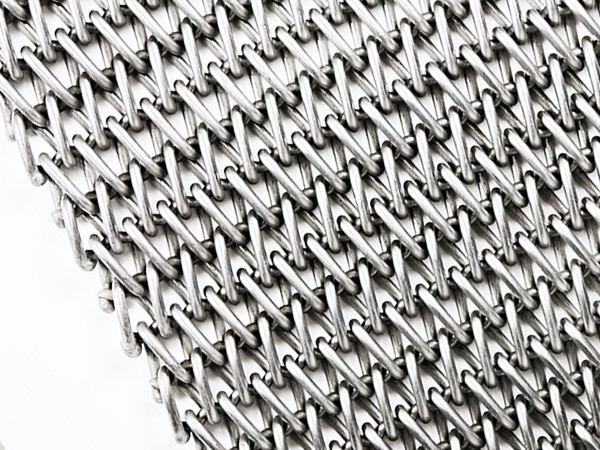
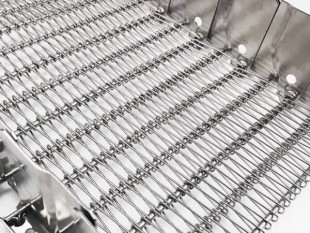
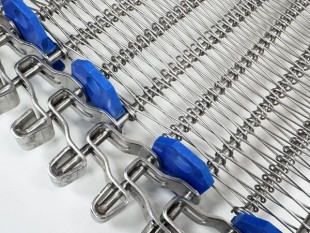
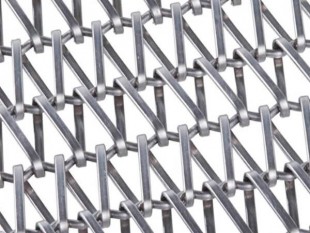
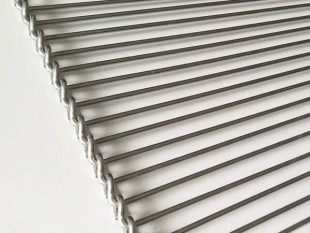
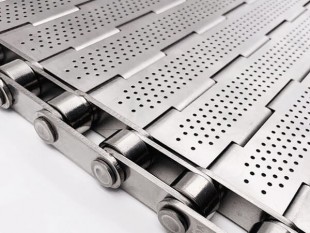
Lehr Belts feature a balanced weave wire construction, composed of alternating right- and left-hand flattened spirals securely seated in crimped connector rods. The belt edges are welded to enhance durability and stability.


Wire Mesh Lehr Belt Datasheet — PFM Screen  Balanced Spiral Woven Conveyor Belts

Lehr Belt Enquiry Form — PFM Screen  Standard Balanced Spiral Woven Belt Enquiry Form

Compound Weave Lehr Belt Datasheet — PFM Screen  Compound Weave Conveyor Belts

Compound Weave Lehr Belt Enquiry Form  Compound Weave Conveyor Belt Enquiry Form

PFM Screen Conveyor Belt Product Catalog 2024  Beijing PFM SCREEN Mesh Conveyor Belt Product Catalog 2024

  • Overview
  • Specification
  • Applications
  • Downloads
  • FAQ

    Overview

    Wire Mesh Lehr Belts are metal conveyor belts purpose-built for the glass industry's annealing and decorating lehrs. They carry glass containers — bottles, jars, tumblers, and lighting glass — through a precisely controlled temperature tunnel where gradual cooling from the annealing point (typically 500–650°C for soda-lime glass) eliminates internal stresses formed during shaping. The result is glass that is stronger, more consistent, and less prone to spontaneous fracture in service.


    PFM SCREEN has designed and manufactured wire mesh lehr belts since 1987, supplying glass container manufacturers, decorating lehr operators, and industrial furnace builders across 60+ countries. Our lehr belts are built to run continuously at temperatures up to 1200°C, maintain straight tracking without lateral drift, and deliver multi-year service life under the demanding thermal cycling of production lehrs. Every belt is manufactured to your furnace's exact specifications — width, wire gauge, pitch, and material grade — with welded edges as standard.


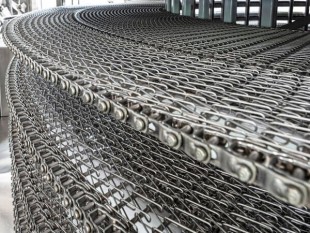
    Wire Mesh Lehr Belts — glass annealing application Wire Mesh Lehr Belts — balanced weave detail


    Key Features

     Smooth Conveying Surface: The flattened spiral wire profile creates a flat, even contact surface that keeps glass containers upright and prevents tip-over at lehr conveying speeds — critical for lightweight glassware such as wine bottles and small jars.

     Minimal Belt Stretch: Crimped cross rods lock each spiral coil in position, restraining belt elongation under load and thermal expansion. This reduces the frequency of belt take-up adjustments and extends operating life.

     Accurate Straight Tracking: The balanced weave construction — equal numbers of left-hand and right-hand spirals — cancels lateral drift forces, keeping the belt centered in the lehr frame without constant manual realignment.

     Customizable Widths: Available from 35 mm to 5000 mm to fit any lehr furnace configuration, with wire gauge, pitch, and material grade specified to your operating temperature and load requirements.


    Construction and Materials

    Construction

     Balanced weave structure, comprising alternating right and left-hand flattened spirals connected by crimped rods. This design ensures locked-in spirals for straight tracking and product stability. Edges are welded for added durability.

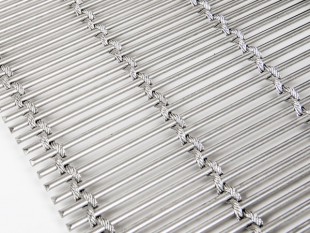
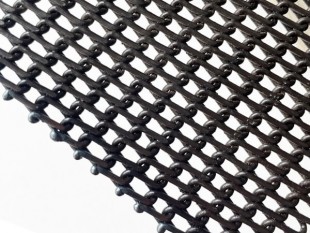
     Compound weave structure, balanced spiral belt with multiple spirals and cross rods per pitch, resulting in minimal apertures and a flat surface. This structure ensures a close and flat mesh, ideal for conveying very small items. 


    Wire Mesh Lehr Belt — Balanced weave structure Wire Mesh Lehr Belt — Compound weave structure


    Materials

    Carbon / Chrome Molybdenum Steel: Max continuous operating temperature 538°C. Cost-effective choice for lower-temperature annealing zones or pre-annealing applications.

    • 430 Stainless Steel: Max operating temperature 650°C. High chromium content provides good oxidation and corrosion resistance. The most widely used material for standard glass annealing lehrs, and an established replacement for chrome molybdenum steel in conventional annealing operations.

    • 304 Stainless Steel: Max operating temperature approximately 900°C. Superior corrosion and oxidation resistance compared to 430 SS. Recommended for higher-temperature decorating lehrs and demanding industrial furnace applications.

    • 314 Stainless Steel / Nickel Chrome Alloy: Max operating temperature up to 1200°C. Specified for the most extreme high-temperature environments, including sintering and brazing furnaces.


Related Products