Overview
When choosing the most appropriate sprocket material for your application, it is important to look at the conditions under which the belt will operate. Conditions such as abrasion, corrosion, high/low temperature variations, surrounding temperature, type of process performed, etc. all have an impact on sprocket selection.

PFM Screen offers a comprehensive range of standard sprockets and can also manufacture to order sprockets for new or replacement applications to suit any specified belt.
Custom sprockets are machined to order against your belt specification. Key parameters include belt pitch, pitch circle diameter (PCD), number of teeth, tooth profile, bore diameter, keyway dimensions, and hub length — all produced to your dimensional drawings or specified belt model.
Selecting the correct sprocket is as critical as selecting the belt itself. A mismatched sprocket — incorrect pitch, wrong tooth profile, or incompatible material — causes accelerated belt edge wear, lateral tracking failure, and premature fatigue of the cross-rods. The five parameters that must match your belt specification are:
• Belt pitch — the sprocket pitch must equal the centre-to-centre distance between belt cross-rods exactly.
• Tooth profile — each belt type (Flexible Flat, Balanced Weave, Eye Link, Honeycomb, Ladder) requires a tooth form engineered for that specific wire geometry.
• Number of teeth — a minimum of 7–12 teeth depending on belt type, to reduce the polygonal (chordal) effect and ensure smooth, low-vibration drive.
• Pitch circle diameter (PCD) — determines wrap angle, belt tension, and conveyor geometry.
• Material — matched to operating temperature, corrosion exposure, and food-contact requirements.
Materials for full material driving wheels
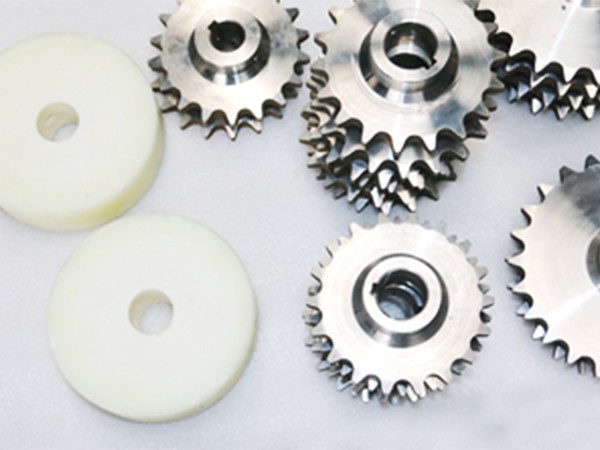
• Nylon (PA6 / PA66) — Standard choice for food processing lines. Lightweight, low-noise, FDA 21 CFR compliant, and safe if incidental contact with belt wire occurs. Suitable for continuous operating temperatures up to approximately 80°C (176°F).
• Stainless Steel AISI 304 — For high-temperature environments such as baking ovens, pasteurisers, and frying lines (continuous use up to approximately 500°C), and for corrosive wash-down conditions.
• Stainless Steel AISI 316 — For high-chloride or aggressive chemical environments including seafood processing, dairy, and meat processing where strong sanitising agents are used routinely.
• Mild Steel — For general industrial, non-food applications where cost is the primary driver and corrosion resistance is not required.
• Cast Iron — For heavy-load, low-speed industrial drives requiring dimensional stability and wear resistance.
• UHMWPE / PEEK (available on request) — For ultra-high wear resistance or elevated-temperature food-contact applications.
Sprockets Types
PFM Screen manufactures belt-matched sprockets for every conveyor belt type we supply. Each sprocket is engineered with a tooth profile and pitch specifically designed for the wire geometry of that belt — ensuring true engagement, accurate tracking, and maximum belt service life.
All sprocket types are available in nylon, stainless steel, and other materials; custom bore and keyway dimensions are machined to order.


Sprocket for Balanced Spiral Woven Conveyor Belts


Sprocket for Flat Flex Conveyor Belt

Sprocket for Eye Link Conveyor Belt
Sprocket for honeycomb conveyor belt

Sprocket for plate link conveyor belt

Sprocket for Ladder Conveyor Belt


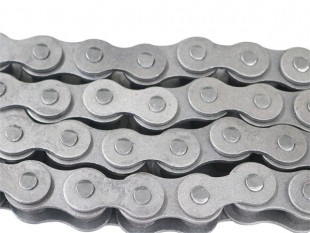
Sprocket for chain links
Contact our technical team at [email protected] with your belt model, belt pitch, shaft diameter, and operating conditions — we will confirm the matched sprocket specification or initiate a custom machining order within 24 hours.
Specifications
The tables below list standard sprocket specifications for Flexible Flat, Eye Link, and Honeycomb belt types. Locate your belt pitch in the left column and match to your required pitch circle diameter (PCD) or outside diameter. For Balanced Spiral Woven, Plate Link, Ladder, and Chain Link sprocket specifications, download the full PDF catalogue or contact us directly.
|
Specifications of
the Sprocket for Flat Flex Conveyor Belt
|
|
Belt Specification
|
Sprocket Details
|
|
Pitch
|
Wire Diameter
|
Outside Dia.
|
Root Dia.
|
Bore Dia.
|
Number of Teeth
|
|
4.24 mm
4.30 mm
4.30 mm
|
0.9 mm
1.00 mm
1.27 mm
|
50.80 mm
|
46.99 mm
|
19.05 mm
|
34
|
|
5.64 mm
|
0.9 mm
1.00 mm
|
50.80 mm
|
45.72 mm
|
19.05 mm
|
25
|
|
76.20 mm
|
70.00 mm
|
19.05 mm
|
39
|
|
25.4 mm
|
|
6.35 mm
|
0.9 mm
1.00 mm
1.27 mm
|
50.80 mm
|
44.19 mm
|
19.05 mm
|
22
|
|
76.20 mm
|
71.12 mm
|
19.05 mm
|
35
|
|
25.4 mm
|
|
7.26 mm
|
1.27 mm
1.6 mm
|
31.75 mm
|
27.43 mm
|
15.87 mm
|
12
|
|
50.80 mm
|
45.72 mm
|
19.05 mm
|
20
|
|
25.4 mm
|
|
57.15 mm
|
50.80 mm
|
19.05 mm
|
22
|
|
76.20 mm
|
68.58 mm
|
19.05 mm
|
29
|
|
25.4 mm
|
|
11.30 mm
|
1.27 mm
|
76.20 mm
|
70.86 mm
|
25.4 mm
|
19
|
|
12.70 mm
|
1.83 mm
2.35 mm
|
50.80 mm
|
44.95 mm
|
19.05 mm
|
11
|
|
25.4 mm
|
|
76.20 mm
|
68.58 mm
|
19.05 mm
|
17
|
|
25.4 mm
|
|
20.32 mm
|
2.35 mm
|
76.20 mm
|
65.53 mm
|
19.05 mm
|
10
|
|
25.4 mm
|
|
NOTE: Custom
specification is available if you can't find the suitable parameters.
|
|
Specifications of
the Sprocket for Eye Link Conveyor Belt
|
|
Number of Teeth
|
Belt Pitch (mm)
|
|
15.875
|
25
|
25.4
|
30
|
31.75
|
50
|
50.8
|
60
|
70
|
75
|
100
|
|
7
|
36.6
|
57.6
|
58.5
|
69.1
|
73.2
|
115.2
|
117.1
|
138.3
|
161.3
|
172.9
|
230.5
|
|
10
|
51.4
|
80.9
|
82.2
|
97.1
|
102.8
|
161.8
|
164.4
|
194.2
|
226.5
|
242.7
|
323.6
|
|
12
|
61.3
|
96.6
|
98.1
|
115.9
|
122.7
|
193.2
|
196.3
|
231.8
|
270.5
|
289.8
|
386.4
|
|
14
|
71.3
|
112.4
|
114.2
|
134.8
|
142.7
|
224.7
|
228.3
|
269.6
|
314.6
|
337.1
|
449.4
|
|
15
|
76.4
|
120.2
|
122.2
|
144.3
|
152.4
|
240.5
|
244.3
|
288.6
|
336.7
|
360.7
|
481
|
|
16
|
81.4
|
128.2
|
130.2
|
153.8
|
162.7
|
256.3
|
260.4
|
307.6
|
358.8
|
384.4
|
512.6
|
|
18
|
91.4
|
144
|
146.3
|
172.8
|
182.8
|
287.9
|
292.6
|
345.5
|
403.1
|
431.9
|
575.9
|
|
20
|
101.5
|
159.8
|
162.4
|
191.8
|
203
|
319.6
|
324.7
|
383.6
|
447.5
|
479.4
|
|
|
NOTE: Custom
specification is available if you can't find the suitable parameters.
|
|
Pitch circle
diameters of the Sprocket for honeycomb conveyor belt
|
|
Number of Teeth
|
Belt Cross Rod
Pitch
|
|
12.85
(mm)
|
13.72
(mm)
|
14.22
(mm)
|
28.58
(mm)
|
27.53
(mm)
|
26.97
(mm)
|
26.97
(mm)
|
28.58
(mm)
|
38.1
(mm)
|
50.8
(mm)
|
6.2
(mm)
|
|
12
|
|
|
53.98
|
109.42
|
105.41
|
103.23
|
103.23
|
109.42
|
146.22
|
195.3
|
293.45
|
|
16
|
64.58
|
69
|
71.61
|
|
|
|
|
|
|
|
|
|
18
|
72.39
|
77.52
|
80.72
|
163.09
|
157.1
|
153.87
|
153.87
|
163.09
|
217.96
|
291.08
|
437.36
|
|
24
|
96.34
|
103.12
|
107.39
|
216.97
|
209
|
204.7
|
204.7
|
216.97
|
289.94
|
387.22
|
581.81
|
|
34
|
|
|
|
306.93
|
|
|
|
|
|
|
|
|
36
|
144.25
|
154.46
|
161.65
|
324.94
|
|
|
306.58
|
|
|
|
|
 +86-15369679157